Conversion, change of use and heritage buildings
The most sustainable building is often the one that already exists. We convert buildings, give them a new use and renovate listed buildings, with respect for what is already there and a clear plan for what is added.
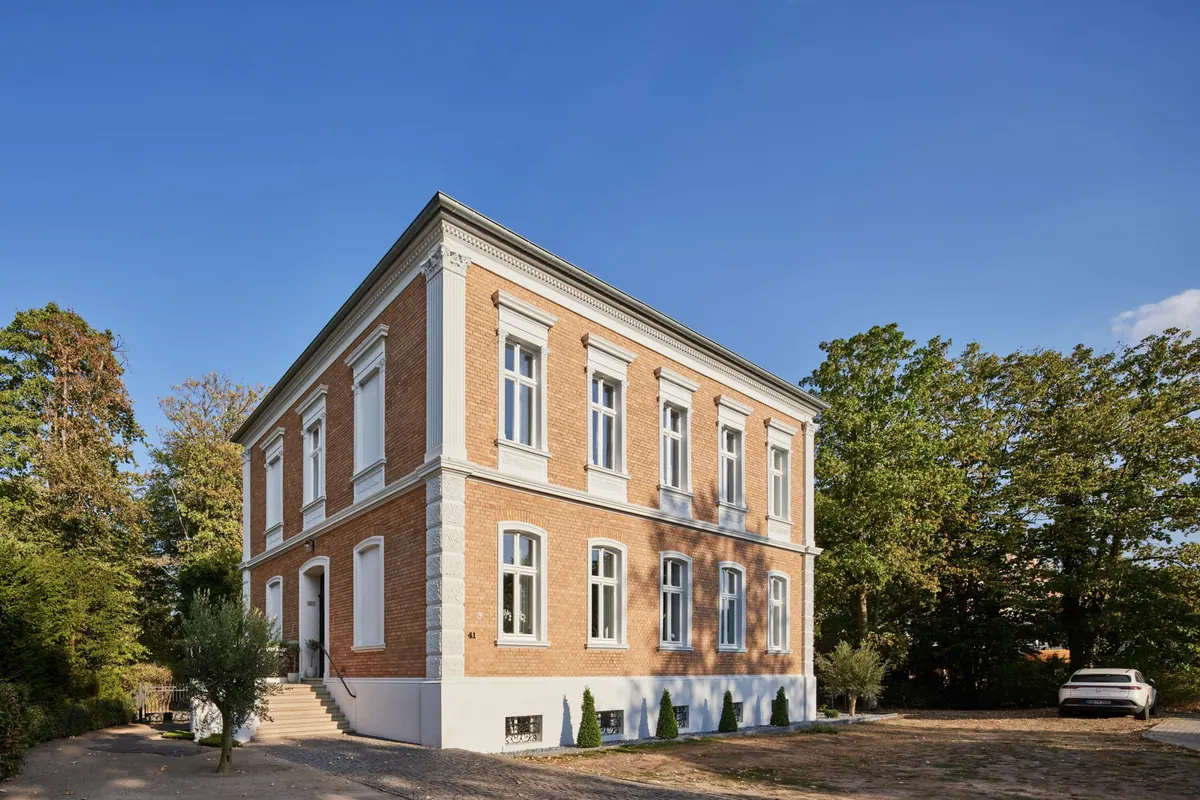
Villa Grüter: a listed building becomes a home again
Villa Grüter on Heidener Straße is a listed building on the heritage list of the town of Borken. It was built towards the end of the 19th century (probably around 1880) for an entrepreneur who set up a textile factory in Borken. The building is protected as a whole: the late neoclassical façade of yellowish-brown facing brick with rendered detailing, the entrance platform added in 1925, decorative tiles and floor mosaic, stucco ceiling roses and the original timber staircase. The villa was completely renovated over two and a half years, in consultation with the local heritage authority and the LWL, the regional heritage body for Westphalia.
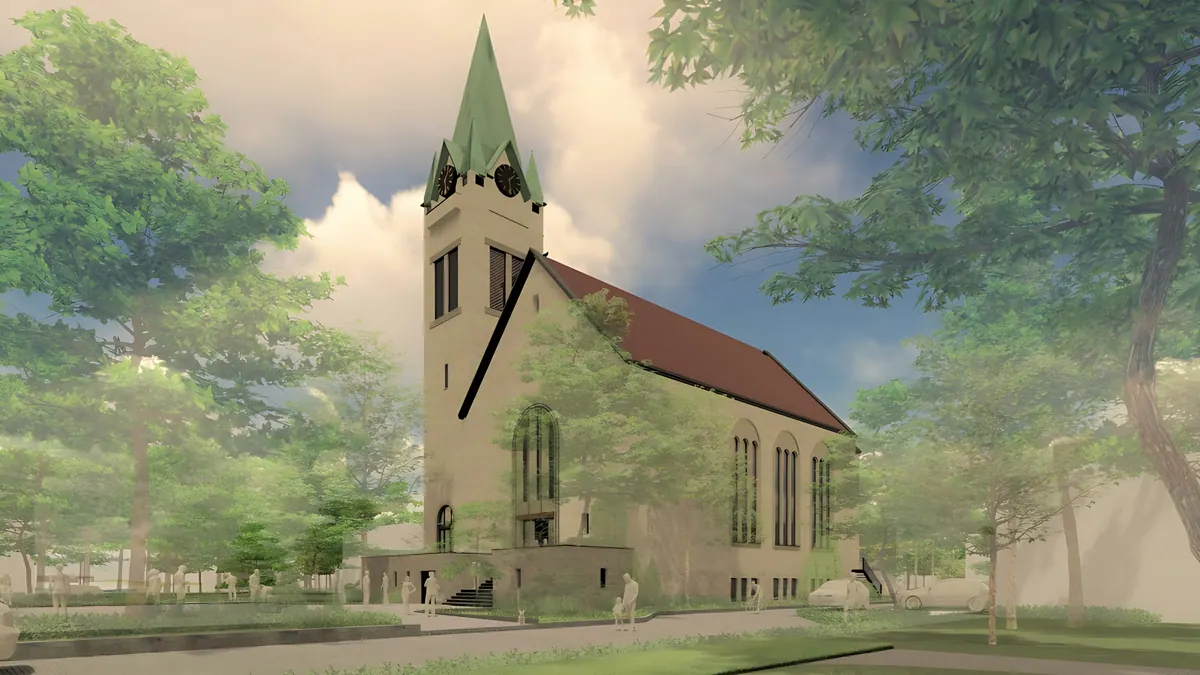
Church in Duisburg-Laar: tradition outside, new spaces inside
For more than 110 years, the Protestant church has shaped the Duisburg district of Laar. After severe damage in the Second World War, it was rebuilt in its original form in 1954. In 2014, the church was largely taken out of use. Shipowner Thomas Ophardt has bought the church and plans to convert it into a Christian community centre for around €2 million, with an event space, a bar, a restaurant and guest apartments. Its outward appearance will be preserved. View the project
What applies to listed buildings
In North Rhine-Westphalia, if you want to alter, convert or change the use of a listed building, you need permission from the local heritage authority, which is usually the town or municipality (§ 9 of the NRW Heritage Protection Act, Denkmalschutzgesetz NRW). Projects in the immediate surroundings of a listed building also require permission if they could affect its fabric or appearance. Permission must be granted if there are no heritage objections or if an overriding public interest requires the project. Housing, climate protection, renewable energy and accessibility must be given appropriate weight in this decision.
When renovating, it pays to look at tax law. For listed buildings that are let or used for business purposes, the costs of work needed to preserve the building and put it to sensible use can be written off at an increased rate over twelve years: up to 9% a year for eight years and up to 7% a year for four years (§ 7i of the German Income Tax Act, EStG). If you live in the listed building yourself, you can deduct up to 9% a year for ten years in the same way as special expenses (§ 10f EStG). This requires a certificate from the heritage authority, and the work must be agreed with the authority in advance. We prepare the consultation with the authority; please discuss the tax questions with your tax adviser.
More scope for conversions since September 2026
The amendment to the North Rhine-Westphalia building code (BauO NRW), which came into force on 1 September 2026, makes it easier to work with existing buildings in the state:
- If you add storeys to a vacant building or give it a new use, you no longer always have to bring existing building elements up to the requirements for new buildings. This makes it easier, for example, to convert offices or shops into homes.
- Loft conversions that create living space fall under the permit exemption procedure (Genehmigungsfreistellung), for the first time also with dormers and in areas without a development plan.
- In the simplified permit procedure, a building permit application is deemed approved if the building authority has not reached a final decision on it within three months. The period starts as soon as the documents are complete and all required statements have been received.
Planning law and local building regulations still apply. We check what the new rules mean for your building on a case-by-case basis. There is more in our article on the new North Rhine-Westphalia building code.
Frequently asked questions about conversion and heritage
How can I tell whether my house is a listed building?
In North Rhine-Westphalia, listed buildings are entered on the municipality’s heritage list. The local heritage authority of your town or municipality can tell you. Be sure to check this before you buy.
Do I need permission for work on a listed building?
As a rule, yes. If you want to alter, remove, relocate or change the use of a listed building, you need permission from the local heritage authority (§ 9 of the NRW Heritage Protection Act). Repairs to parts that are of no significance to its heritage value are exempt. Projects in the immediate surroundings of a listed building may also require permission.
Are there tax benefits for listed buildings?
Yes. For listed buildings that are let or used for business purposes, the eligible renovation costs can be written off at an increased rate over twelve years: up to 9% a year for eight years and up to 7% a year for four years (§ 7i of the German Income Tax Act, EStG). If you live in the listed building yourself, you can deduct up to 9% a year for ten years in the same way as special expenses (§ 10f EStG). This requires a certificate from the responsible heritage authority, and the work must be agreed with it in advance. Please discuss the tax questions with your tax adviser.
Can a church be given a new use?
Yes, if the owner, the parish and the authorities are on board. In Duisburg-Laar, the buyer and the seller had already laid down the future use as a Christian community centre in the purchase contract. The exterior of the church will be preserved, while inside there will be spaces for meeting people, for culture and for guests.
Other building types
Architecture services-
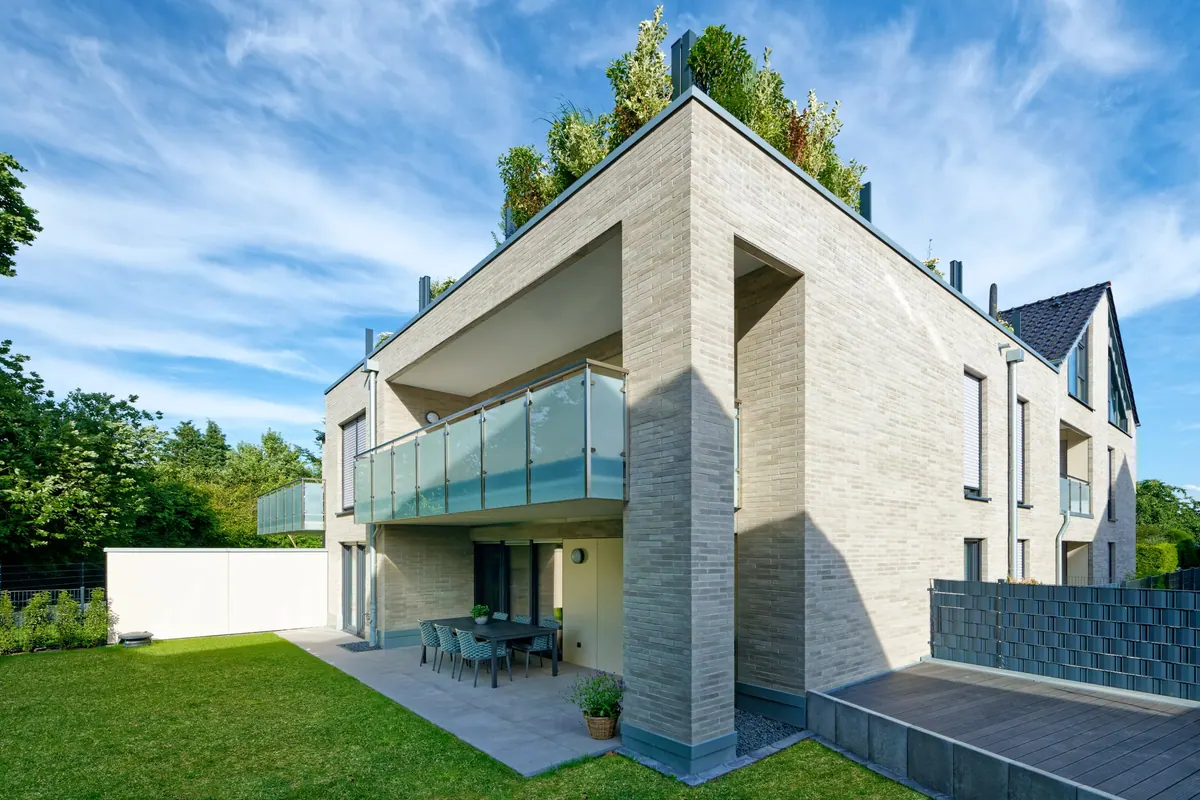
Residential
Detached houses, multi-generational living, apartment buildings and residential quarters.
-
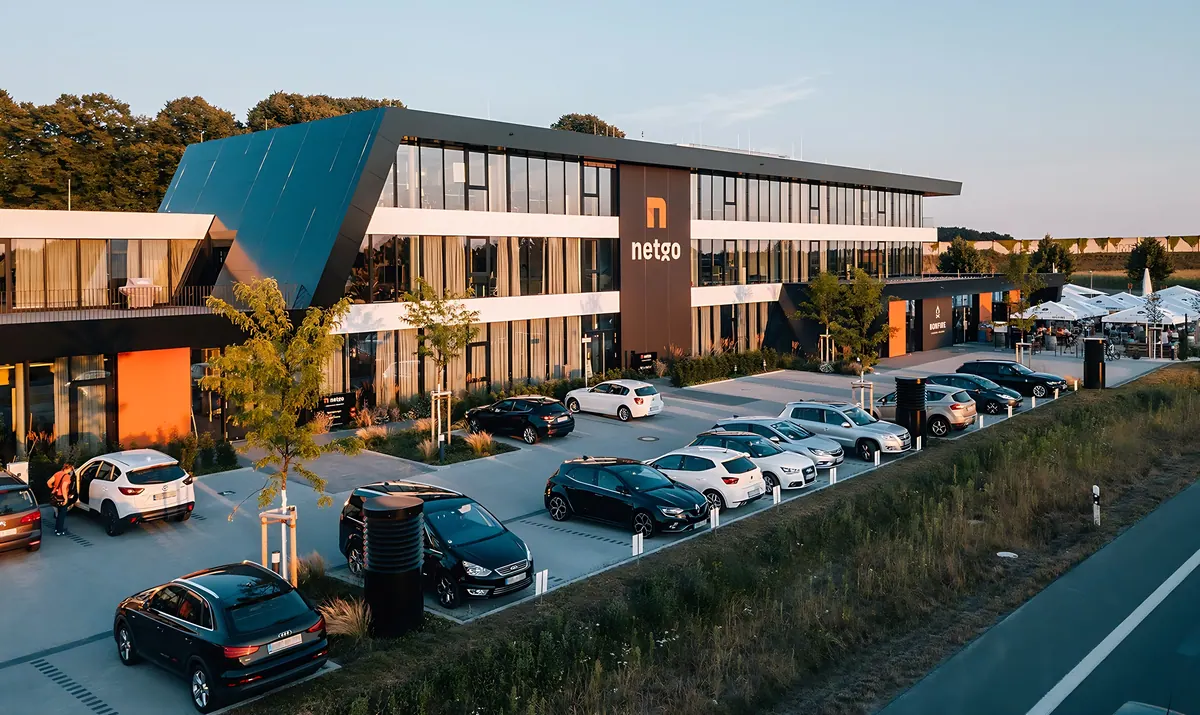
Offices and commercial
Company headquarters, office campuses, practices, bank branches and health centres.
-
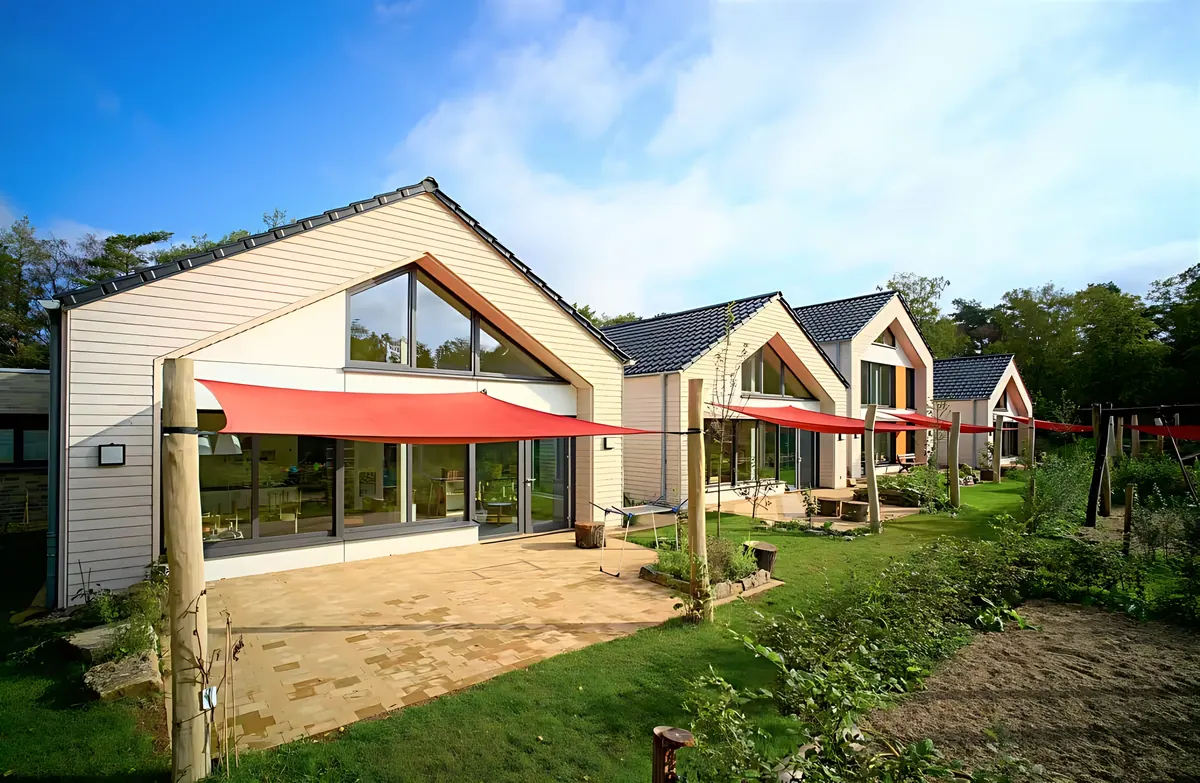
Day-care centres
Day-care centres in timber construction, designed with operators, educators and parents.
-
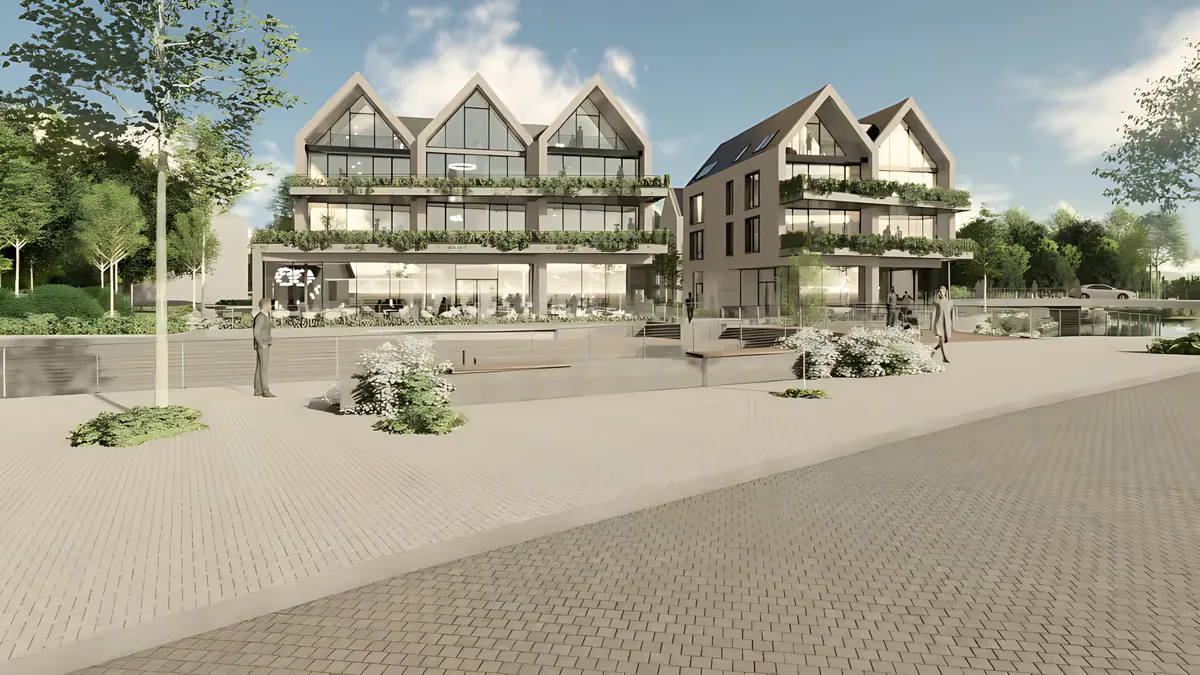
Studies and competitions
Feasibility studies, concept designs and competition entries.